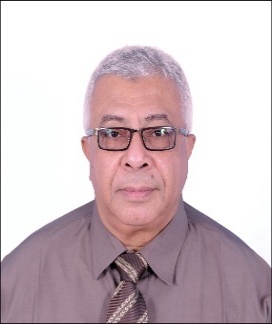
كلمة رئيس الندوة
أ.د/ عبد الله صالح بابعير
مرحباً بكم في الصفحة الرسمية للندوة الدولية "اللغة العربية والعلوم الشرعية: تكامل وظيفي وتحديات معاصرة".
تُعد اللغة العربية أساسًا راسخًا لفهم الشريعة الإسلامية ودراسة علومها، ولا يمكن إدراك دلالات النصوص الشرعية، من القرآن والسنة، إلا من خلال إتقان اللغة العربية ومعرفة دلالات ألفاظها وقواعد صوغ أبنيتها وأساليب التعبير فيها.
لقد حرص العلماء عبر العصور على الجمع بين علوم الشريعة وعلوم اللغة العربية، فإتقان اللغة شرط أساسي لتفسير القرآن، والاجتهاد، وإصدار الفتوى. تهدف ندوتنا إلى استعراض أهمية اللغة العربية في الفهم الصحيح للنصوص الشرعية، وطرح أحدث الدراسات حول التكامل بين اللغويات والعلوم الشرعية، والتحديات المعاصرة في هذا المجال.
الانضمام إلى الندوة
الندوة الدولية للغة العربية والعلوم الشرعية
تكامل وظيفي وتحديات معاصرة
المقدمة
تُعد اللغة العربية أساسًا لفهم الشريعة الإسلامية ومقاصدها، فهي لغة الوحي ومفتاح فهم النصوص الدينية. وتهدف هذه الندوة إلى تعزيز العلاقة بين اللغة العربية والعلوم الشرعية، وتسليط الضوء على التحديات المعاصرة في تدريس العلوم الشرعية وتداولها، ومناقشة أثر اللغة في الفهم الشرعي الصحيح وضبط المصطلحات والمفاهيم.
كما تستعرض الندوة الجهود العلمية والتجارب التعليمية الناجحة في توظيف اللغة العربية في العلوم الشرعية، وتطرح آليات تطويرية لتعزيز التكامل بين اللغة والشرع في التعليم والإعلام والبحث العلمي.
أهداف الندوة
- تعزيز العلاقة بين اللغة العربية والعلوم الشرعية كلغة الوحي ومفتاح فهم النصوص الدينية.
- تسليط الضوء على التحديات المعاصرة في تدريس العلوم الشرعية وتداولها.
- مناقشة أثر اللغة في الفهم الشرعي الصحيح وضبط المصطلحات والمفاهيم.
- استعراض الجهود العلمية والتجارب التعليمية الناجحة في توظيف اللغة العربية في العلوم الشرعية.
- طرح آليات تطويرية لتعزيز التكامل بين اللغة والشرع في التعليم والإعلام والبحث العلمي.
محاور الندوة وموضوعاتها
- محور تأصيلي: اللغة العربية في ضوء الكتاب والسنة، مكانة اللغة العربية في الفكر الإسلامي، العلاقة بين اللغة والعلوم الشرعية في التراث الإسلامي.
- محور تعليمي: مكانة اللغة العربية كلغة تعليمية للعلوم الشرعية، تحديات تعليم العلوم الشرعية للناطقين بغير العربية، مناهج تدريس علوم اللغة العربية في كليات الشريعة وأقسامها.
- محور اصطلاحي ومعجمي: ضبط المصطلح الشرعي بين اللغويين والفقهاء، أثر ضعف اللغة في الفهم الخاطئ للمفاهيم الشرعية، المعجمات الشرعية واللغوية وأثرها في الفهم الدقيق للمفاهيم الشرعية.
- محور إعلامي وثقافي: مكانة اللغة العربية في الإعلام الديني، اللغة الشرعية في الخطاب الدعوي المعاصر، توظيف اللغة العربية في الوسائط الرقمية لنشر العلم الشرعي.
الفئة المستهدفة
- الباحثون في مجالات اللغة العربية والعلوم الشرعية.
- أساتذة الجامعات والمؤسسات الشرعية واللغوية.
- طلاب الدراسات العليا في اللغة والشريعة.
- المهتمون بتدريس اللغة العربية للناطقين بغيرها.
Foreword by the Symposium Chair
Prof. Abdullah Saleh Baa'beer
Welcome to the official page of the International Symposium "Arabic Language and Islamic Studies: Functional Integration and Contemporary Challenges".
The Arabic language forms a solid foundation for understanding Islamic law and its objectives. Comprehension of the meanings of sacred texts, from the Quran and Sunnah, is only possible through mastery of the Arabic language, understanding the semantics of its words, and the rules for constructing sentences and expressions.
Scholars throughout history have emphasized integrating Arabic linguistic sciences with Islamic studies. Mastery of the language is essential for interpreting the Quran, issuing legal opinions, and exercising scholarly reasoning. This symposium aims to highlight the role of the Arabic language in the correct understanding of religious texts and to present recent research on the functional integration of linguistic and Islamic sciences and the contemporary challenges in this field.
Join the Symposium
International Symposium on Arabic Language and Islamic Sciences
Functional Integration and Contemporary Challenges
Introduction
The Arabic language serves as a foundation for understanding Islamic law and its objectives, being the language of revelation and the key to interpreting religious texts. This symposium aims to strengthen the relationship between the Arabic language and Islamic sciences, highlight contemporary challenges in teaching and disseminating Islamic sciences, and discuss the role of language in accurate legal understanding and precise terminology.
The symposium will also review scientific efforts and successful educational experiences in utilizing Arabic in Islamic sciences, and propose practical strategies to enhance the integration between language and Sharia in education, media, and research.
Objectives
- Enhance the relationship between the Arabic language and Islamic sciences as the language of revelation and a key to understanding religious texts.
- Highlight contemporary challenges in teaching and disseminating Islamic sciences.
- Discuss the role of language in correct legal understanding and terminology accuracy.
- Review scientific efforts and successful educational experiences in applying Arabic to Islamic sciences.
- Propose practical strategies to strengthen the integration of language and Sharia in education, media, and research.
Main Topics
- Foundational Track: Arabic in light of the Quran and Sunnah, the status of Arabic in Islamic thought, the relationship between language and Islamic sciences in Islamic heritage.
- Educational Track: Arabic as the language of instruction for Islamic sciences, challenges in teaching Islamic sciences to non-Arabic speakers, curricula for teaching Arabic in Sharia faculties and departments.
- Terminology & Lexicography Track: Standardizing legal terms between linguists and jurists, the effect of weak language skills on misinterpretation of legal concepts, Arabic and Sharia dictionaries and their role in precise understanding.
- Media & Cultural Track: The role of Arabic in religious media, Arabic in contemporary da’wah discourse, using Arabic in digital platforms to disseminate Islamic knowledge.
Target Audience
- Researchers in Arabic language and Islamic sciences.
- University professors and scholars in religious and linguistic institutions.
- Graduate students in Arabic and Sharia studies.
- Professionals involved in teaching Arabic to non-native speakers.