
Faculty Overview
A preparatory committee was formed to study the possibility of establishing a Faculty of medicine at Hadhramout University (HU). The committee decided to start the teaching process in the academic year 1997 / 1998. Therefore, the Faculty received the first batch of students in September of the same year and graduated in August 2003. After that, 2 academic programs were launched at the Faculty : Doctor of Pharmacy (Pharm D) in 2012, and Medical Laboratory in 2013. The graduates are granted Bachelor Degree in the following fields:
- General Medicine & Surgery.
- Pharmacy.
- Medical Laboratories.
Vision
To lead in preparing qualified health professionals and excel in medical education, research, and community service at national and regional levels.
Mission
Prepare health practitioners with scientific expertise, professional competence, and ethical commitment who deliver safe, effective, high-quality healthcare, advance health professions, and promote lifelong medical education, research, and community service.
Objectives
Aligned with its mission, the faculty aims to:
1. Achieve academic excellence through high-quality programs in medicine and health sciences that meet national and international accreditation standards.
2. Prepare graduates with scientific, professional, and ethical qualifications, strong clinical and behavioral skills, and competitiveness in local, regional, and international labor markets.
3. Promote scientific research and provide an innovative environment that addresses health challenges and community needs.
4. Develop advanced postgraduate programs and continuing health education to enhance professional skills among graduates and healthcare providers.
5. Strengthen social responsibility through healthcare, consultation, and awareness services, and active involvement in community development and quality of life enhancement.
6. Instill human, ethical, and professional values grounded in Arab-Islamic identity and professional codes of conduct to foster responsibility and belonging.
7. Establish partnerships with health, academic, and research institutions at local, regional, and international levels to support education, research, and community service.
Latest News
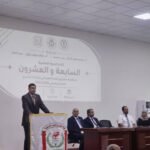
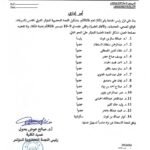
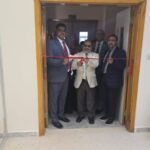
Faculty Events
Top Graduates
October 29, 2021