Hadhramout / University Media
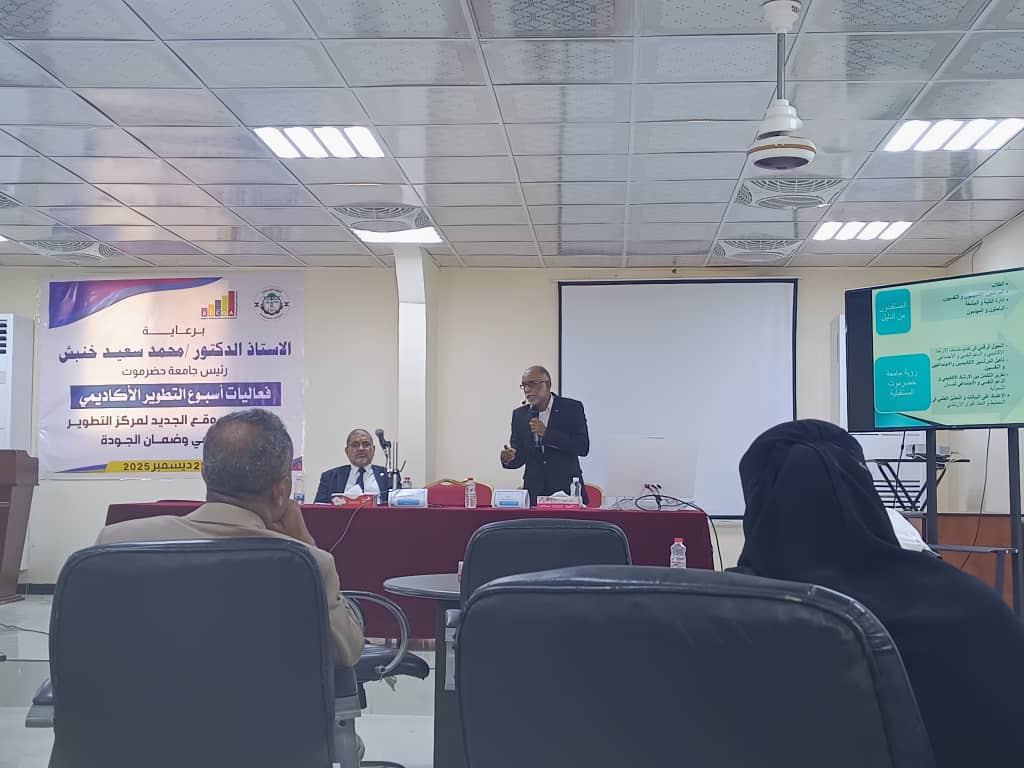
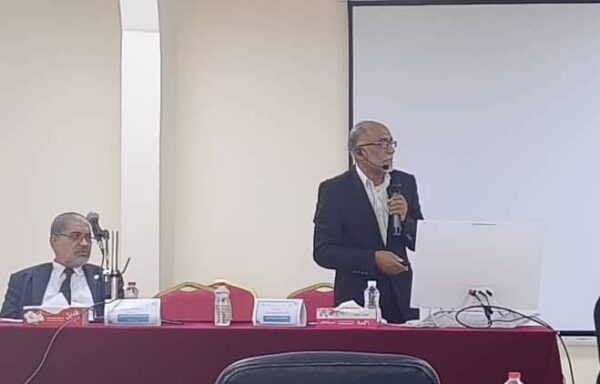
This morning, numerous faculty members at Hadhramout University enriched the discussion with their valuable contributions and insights regarding the issuance of the “Academic Advising and Psychological & Social Support Guide” as a unified institutional framework aimed at supporting students and empowering them academically, psychologically, and socially.
The scientific session, chaired by Prof. Dr. Mohamed Khanbash, University President, focused on establishing an integrated advisory system that links improved academic performance with ensuring students’ psychological and social well-being.
The guide, presented by Dr. Omar Bameer, a faculty member at Hadhramout University, seeks to reduce dropout and academic failure rates, enhance student efficiency, and strengthen their sense of belonging to the university environment.

It defines the organizational structure of the advising process, starting from the departmental academic advisor, through faculty advisory committees, and up to advisory units, clarifying the roles and responsibilities of each party.
The content is divided into key areas, including academic advising (such as study planning and monitoring struggling students), psychological support (addressing anxiety and stress), and social support (enhancing communication and adaptation skills).
The guide sets out practical mechanisms for implementation, including preparing semester and annual plans, follow-up reports, and using various tools such as individual and group meetings and digital platforms.
This guide comes as part of the University’s vision to develop its advisory system, transition toward digital advisory services, and train advisors to build a supportive educational environment that fosters innovation and excellence—within the framework of the Academic Development Week, which concludes tomorrow.