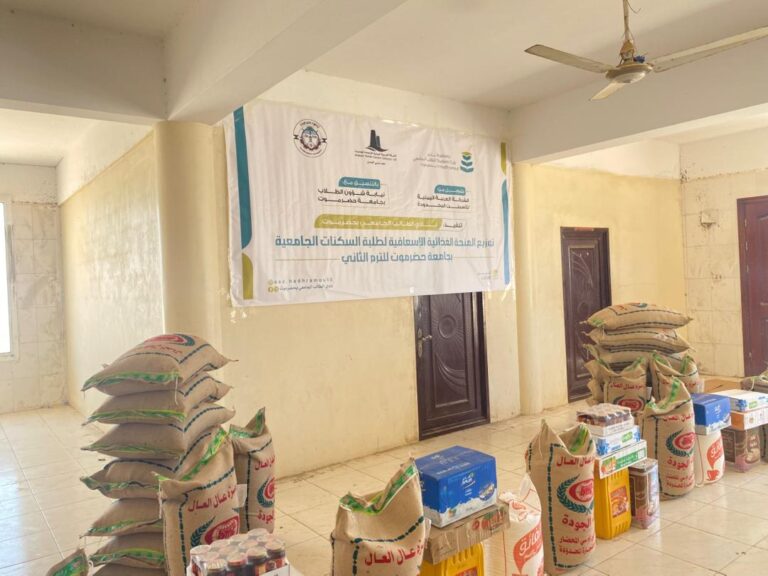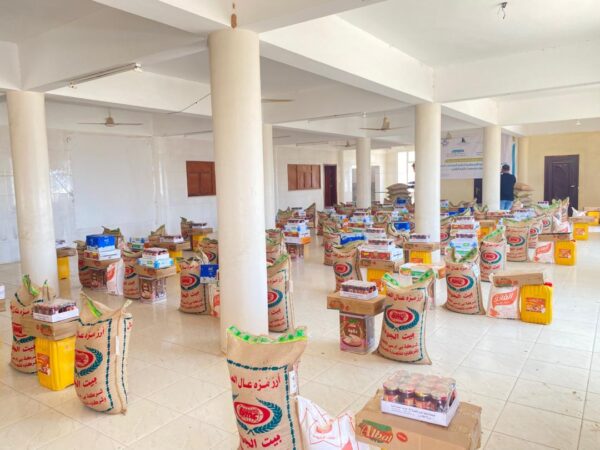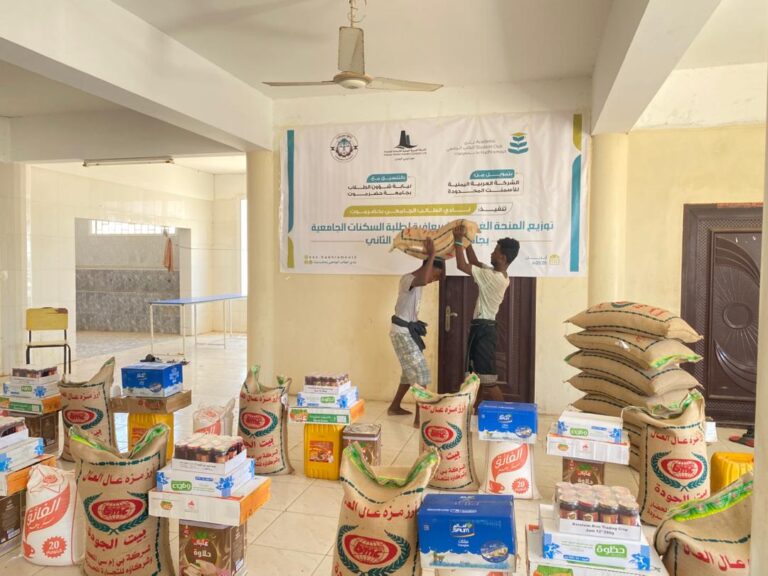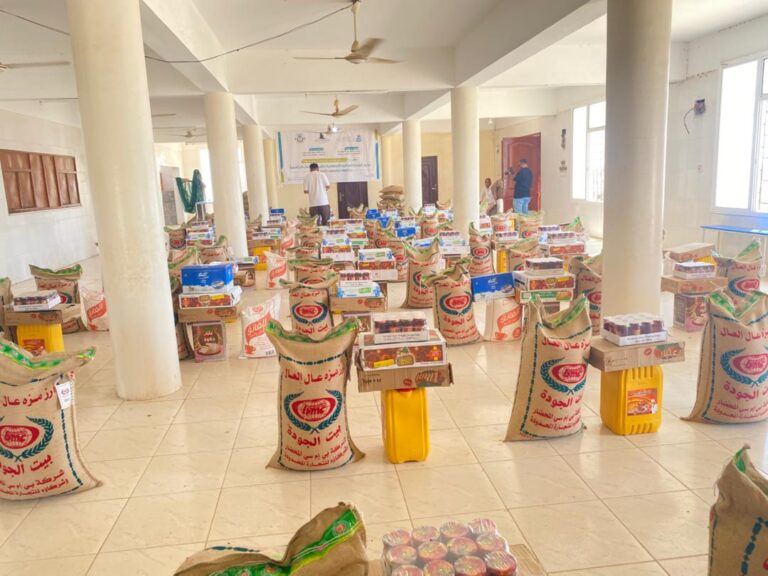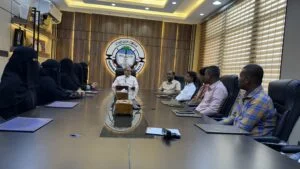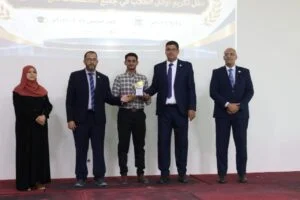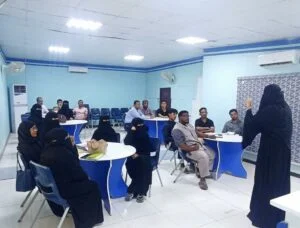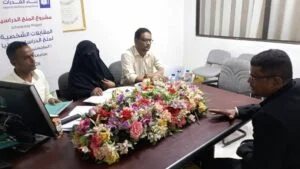
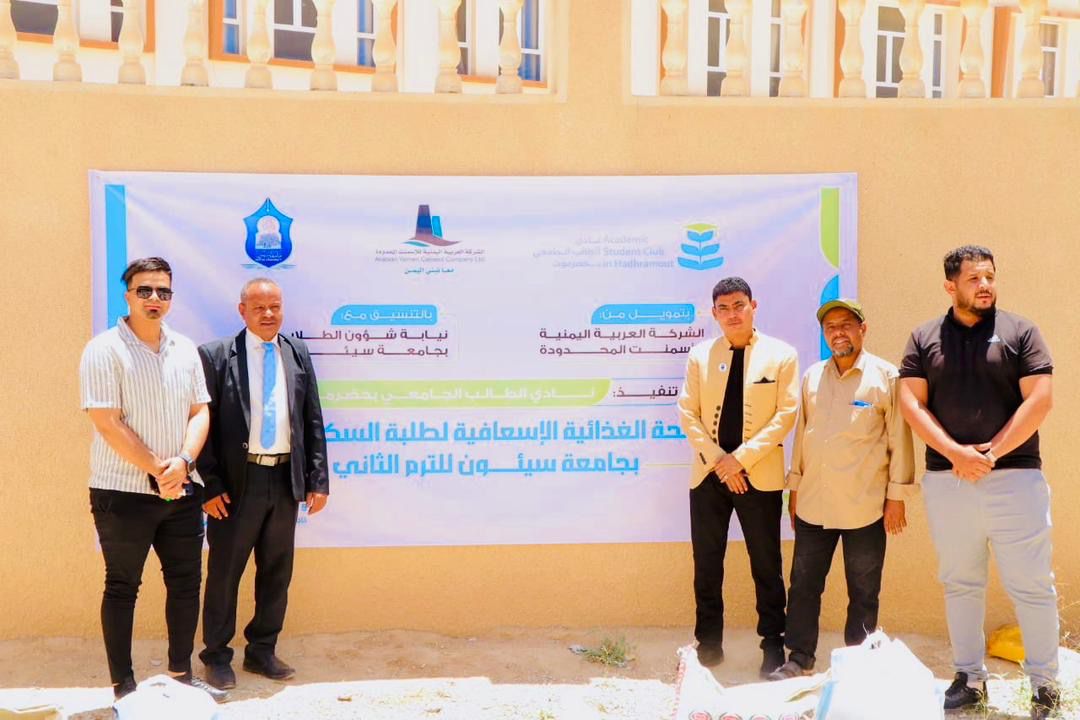
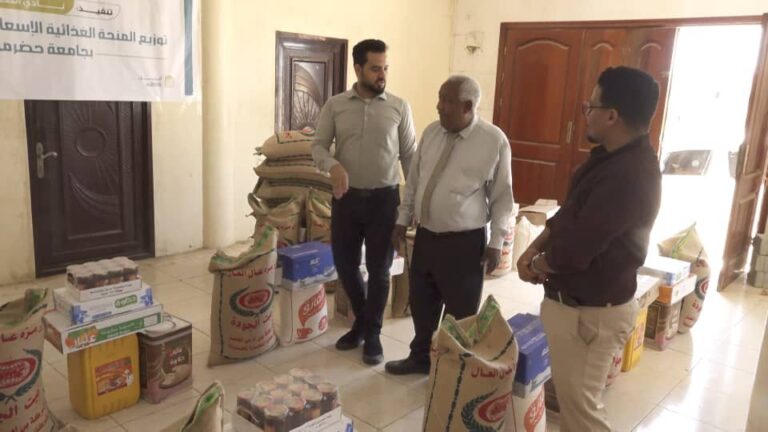
Today, the University Student Club in Hadhramout launched the Subsidized Nutrition Project in the dormitories of Hadhramout University and Seiyun University. The project is funded by the Arab Yemeni Cement Company Ltd. and implemented in coordination with the Vice-Deanships of Student Affairs at both universities, in response to appeals submitted by students residing in university housing.
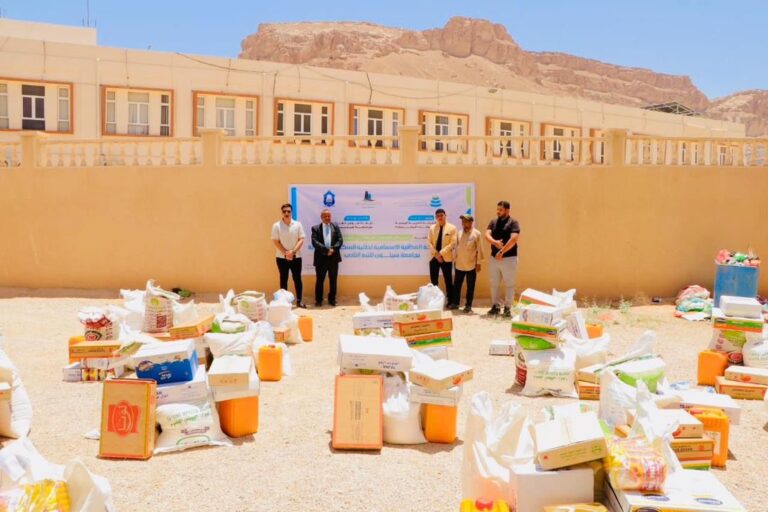
The project aims to alleviate the living and economic burdens on male and female students residing in public university dormitories by providing regular daily meals, particularly in light of the country’s difficult economic conditions and their direct impact on students’ lives.
In this regard, the Assistant Vice President of Hadhramout University for Student Affairs, Prof. Dr. Salem bin Salman, commended the role of the University Student Club in supporting nutrition programs over recent years. He emphasized that this humanitarian approach has significantly supported a broad segment of students in public universities and expressed his appreciation to the entities sponsoring this project.
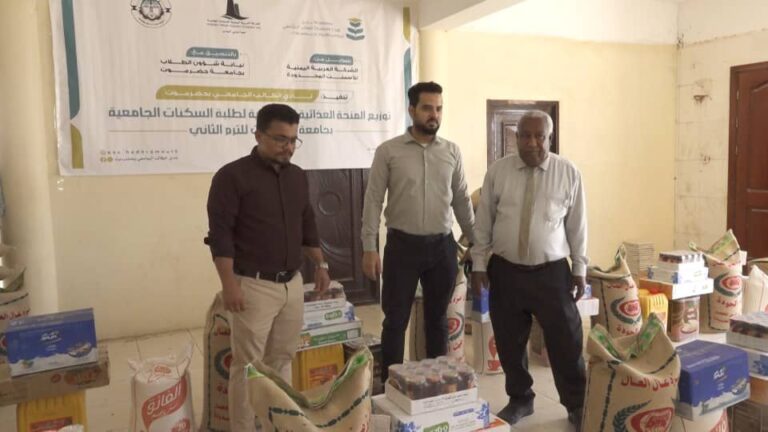
For his part, Eng. Faiz Yislam bin Haidarah, President of the University Student Club, explained that the project targets more than 1,500 male and female students residing in the dormitories of Falak, Al-Ghalilah, and Fuwah, in addition to Marimah Dormitory, Al-Ghurfah Dormitory, the Female Students’ Dormitory in Al-Ghurfah, and Seiyun. He affirmed that this initiative falls within the club’s ongoing efforts to mitigate students’ hardships and enhance their academic stability.
Bin Haidarah also expressed his appreciation to the Arab Yemeni Cement Company Ltd. for its prompt support and responsiveness to students’ needs, considering this partnership a reflection of effective community engagement in serving education and students.
It is worth noting that this project represents one of the most prominent initiatives implemented by the University Student Club as part of its broader efforts to promote student solidarity and improve living conditions within university dormitories, thereby positively contributing to the stability of the educational process.