
Hadhramout / Special Report
The Governor of Hadhramout, Mr. Mabkhout Mubarak bin Madi, inaugurated today in Al-Mukalla the activities of the Fourth International Scientific Research Week organized by Hadhramout University. The opening ceremony was held at the hall of the renowned writer Ali Ahmad Ba Kathir under the theme “From Knowledge to Innovation”, spanning the period from November 24 to 27.
This major scientific event features the participation of a distinguished academic delegation from Universiti Islam Sultan Sharif Ali (UNISSA), Brunei Darussalam, along with a select group of researchers and academics from Yemen and abroad.
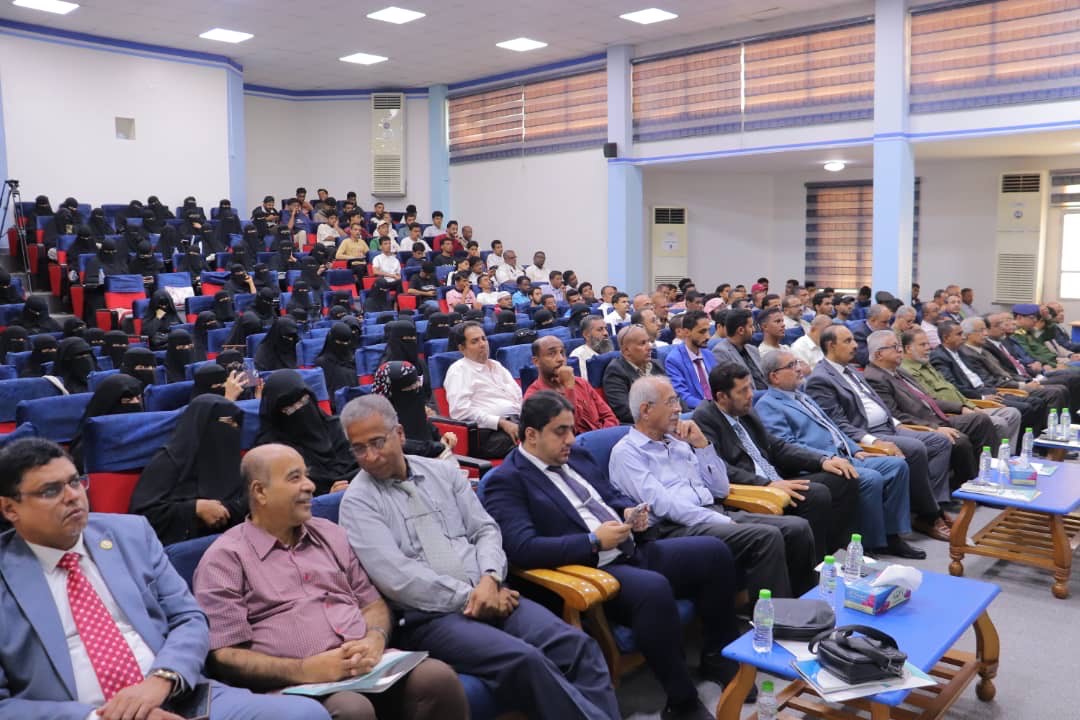
The week’s program includes a series of specialized scientific symposia and workshops designed to strengthen the environment of applied research. These activities align with the University’s mission to foster comprehensive development and to link academic outputs with societal needs.
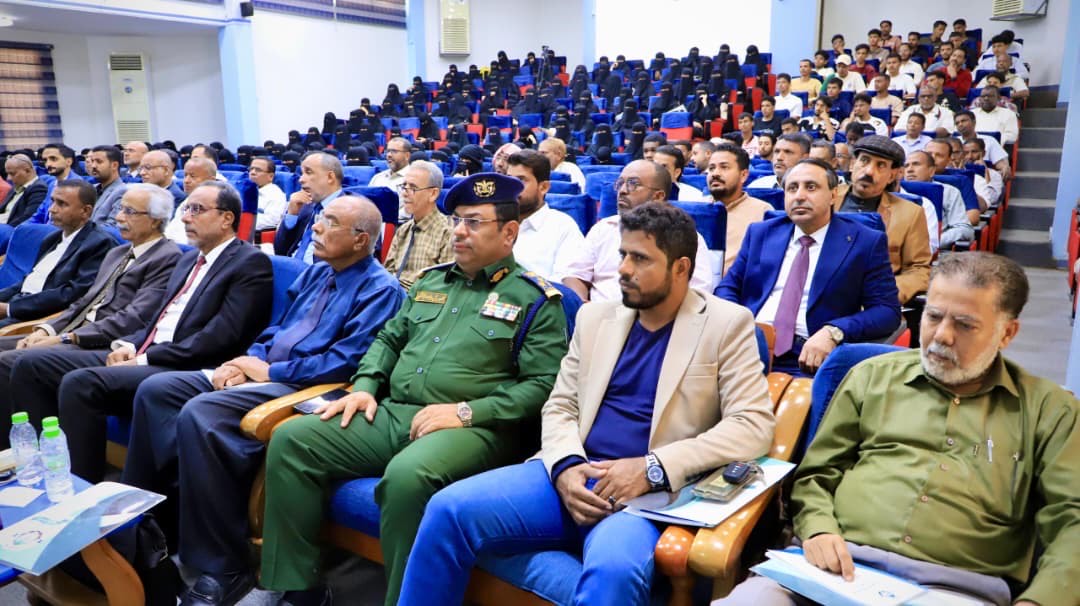
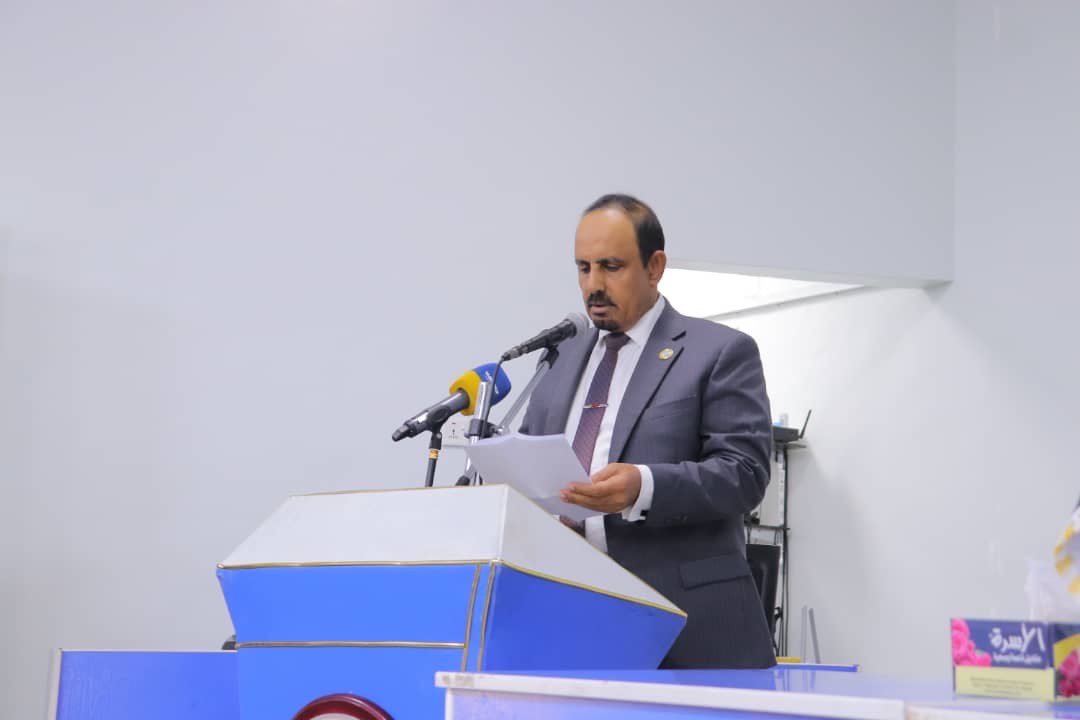
In his opening remarks, Governor bin Madi affirmed the local authority’s firm belief that investing in minds is the most sustainable and optimal form of investment. He highlighted the qualitative leaps achieved by Hadhramout University, including its entry into global rankings, as evidence of the governorate’s intellectual infrastructure capable of driving the engine of development.
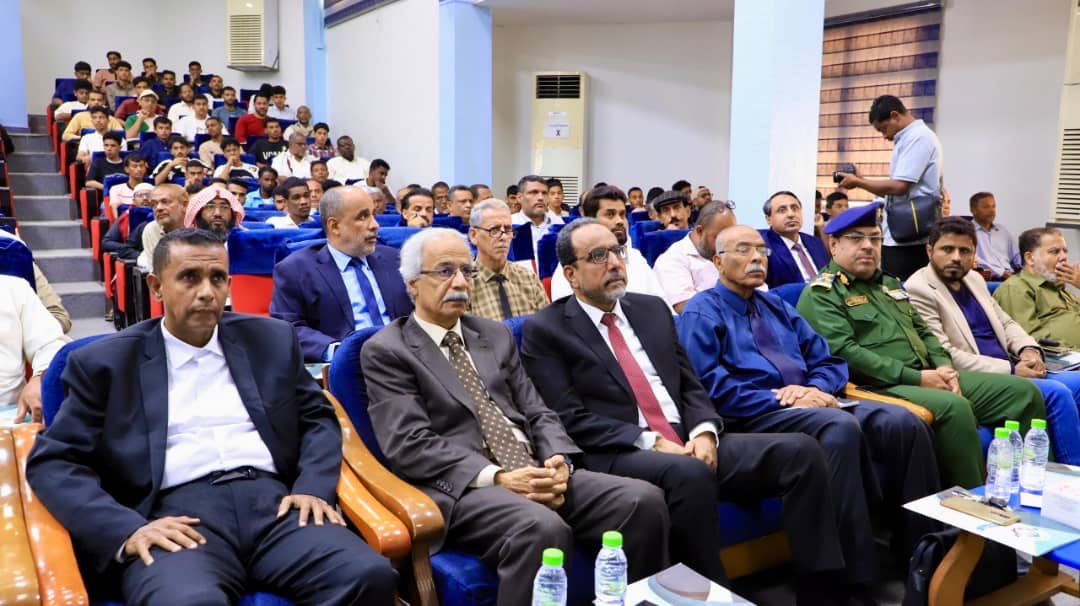
He further noted that through such agreements and scientific activities, Hadhramout University revives its historical ties with East Asian countries, building bridges that extend toward future horizons.He emphasized that the University serves as a beacon of knowledge, a laboratory of thought, and a field for researchers’ aspirations. The local authority views scientific research as the cornerstone of any developmental project, as national progress is built upon intellectual capital.
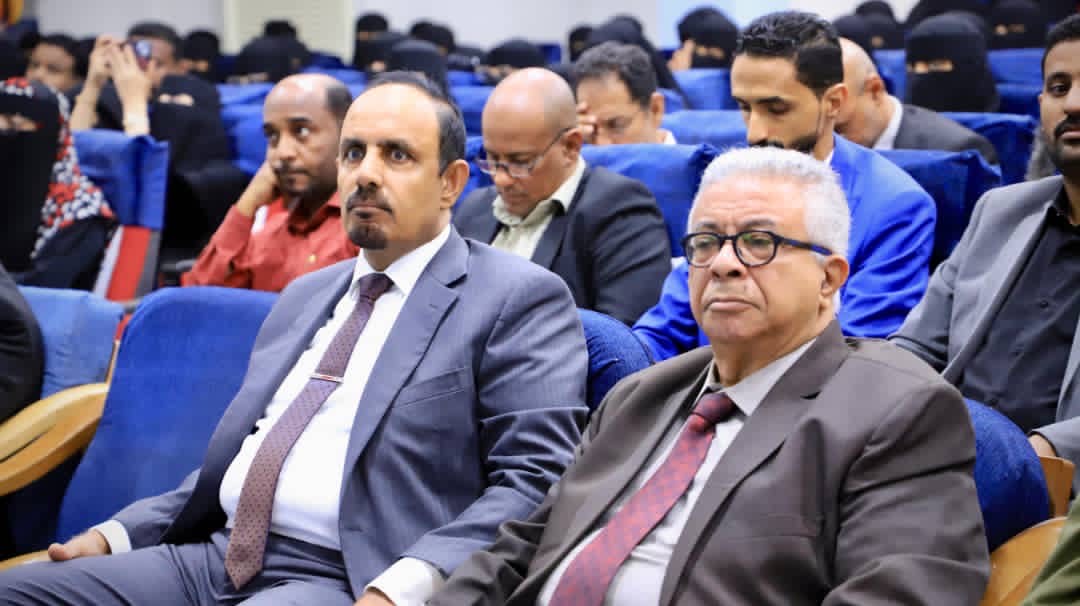
Governor bin Madi explained that the theme “From Knowledge to Innovation” reflects the urgent need to transform academic theories into practical solutions. He valued the relevance of the symposium topics, which address issues directly impacting citizens’ lives, particularly in the fields of clean energy and healthcare.
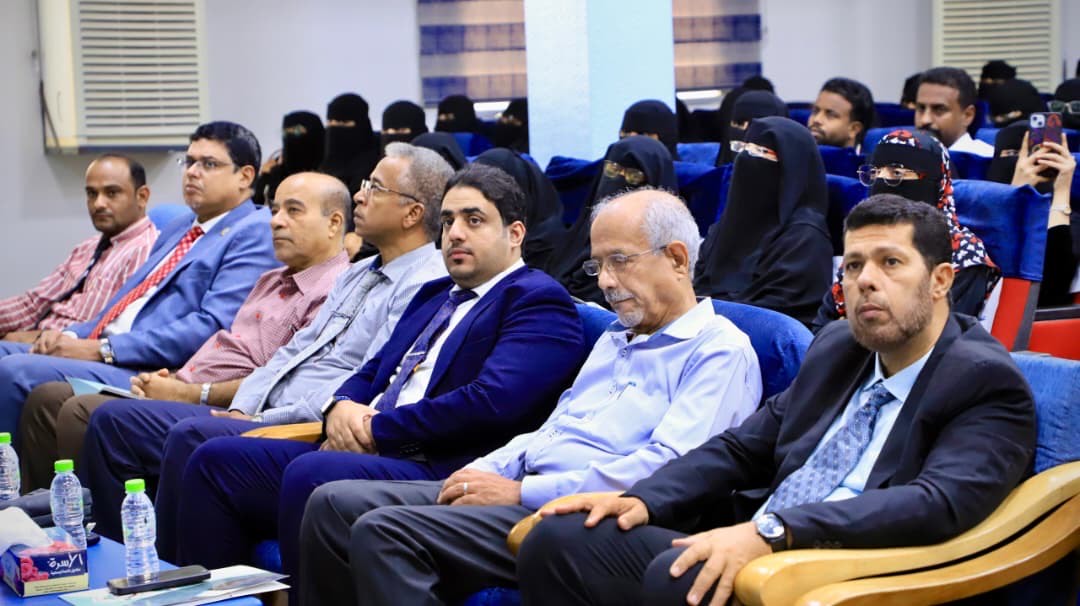
He also pointed out that the partnership with Brunei University represents an expansion of cultural and research ties with the Islamic and international community. He assured that the local authority is committed to considering and implementing the outcomes and recommendations of this week to support decision-making in public services and development.
For his part, Prof. Dr. Mohammed Saeed Khanbash, President of Hadhramout University, stated that organizing this international week stems from the University’s conviction that science, research, and innovation are the true foundations of comprehensive renaissance. He described the event as the culmination of a long journey since the University’s establishment in 1993, during which it has strived to be a scientific beacon contributing to human development. The week has become an annual tradition, reflecting the University’s prioritization of research and innovation, and its commitment to strengthening applied research and consolidating relations with universities locally and internationally.
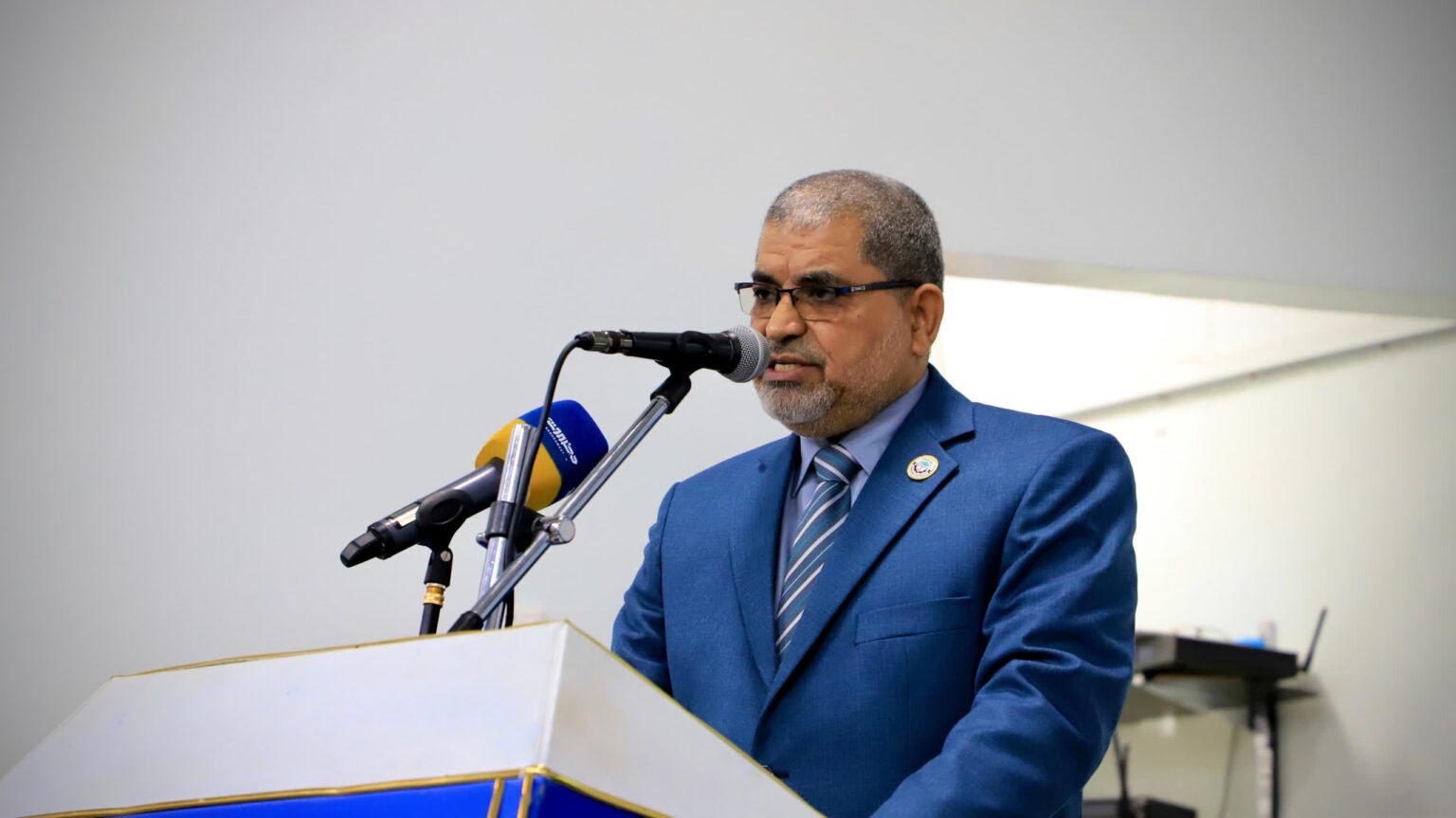
The President of Hadhramout University, Prof. Dr. Mohamed Saeed Khanbash, expressed pride in the University’s growing academic stature, noting that its excellence has been crowned by inclusion in the QS International Ranking for 2024 and its sustained position for two consecutive years. He emphasized that this achievement reflects the quality of the University’s academic and research performance and its ability to compete within the global scientific landscape.
Dr. Khanbash further explained that the Fourth International Scientific Research Week represents a continuation of the University’s commitment to nurturing research initiatives and opening new horizons for knowledge collaboration. He highlighted that the partnership agreement with Universiti Islam Sultan Sharif Ali (Brunei Darussalam) marks a new phase of academic interaction, capacity building, and exchange of expertise, serving the goals of sustainable development.
In a keynote address delivered virtually, Dr. Hasri bin Haji Kafal, President of Universiti Islam Sultan Sharif Ali, expressed his delight at the academic and scientific synergy with Hadhramout University. He described the partnership as a qualitative step toward building sustainable bridges for knowledge transfer and deepening scientific research between Southeast Asia and Hadhramaout, rooted in shared heritage and Islamic values.
Dr. Hasri added that this strategic cooperation aims to transcend geographical boundaries by launching joint research programs, particularly in innovation, renewable energy, and the preservation of Islamic heritage. He also announced plans to activate student and faculty exchange programs to maximize the benefits of shared expertise. He concluded by affirming that this international research week serves as a gateway to broader horizons that enrich the academic environment and serve both communities.
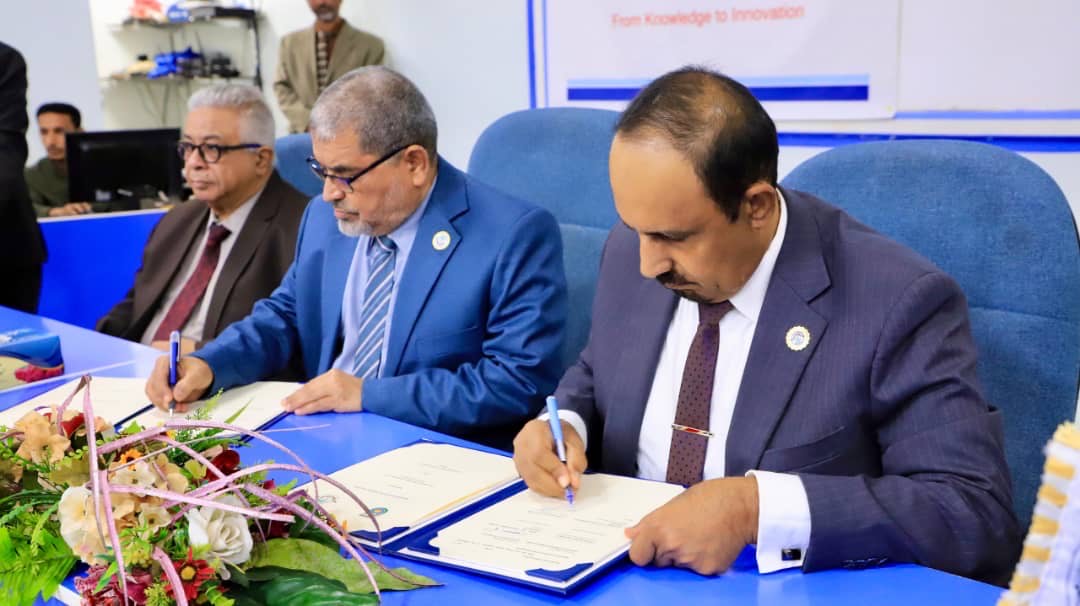
The Governor of Hadhramout, Mr. Mabkhout Mubarak bin Madi, presided over the signing of a formal Memorandum of Understanding between Hadhramout University and Universiti Islam Sultan Sharif Ali. The agreement seeks to strengthen academic and research collaboration and promote the exchange of expertise between the two institutions, in the presence of a large official and academic audience.
The scientific week features five specialized international symposia comprising dozens of lectures and research papers aligned with the latest global developments. These include:Symposium on Clean Energy Technologies: exploring scientific prospects of non-traditional energy sources and their role in supporting development and providing sustainable alternatives, Symposium on Asthma Updates: presenting the latest clinical guidelines and applications in healthcare, diagnosis, and prevention of this common disease, Symposium on Journalistic Practices: analyzing the realities and challenges of media in the era of technological advancement and rapid digital transformation, Symposium on International Scientific Publishing: offering strategies for success, methodological tools, and addressing current challenges faced by researchers to enhance their global presence, International Symposium on Arabic Language and Islamic Sciences: focusing on functional integration and contemporary challenges, with keynote lectures such as “Empowering the Arabic Language in the Age of Artificial Intelligence”, “Ethics of AI Use in Language Teaching and Religious Education”, “Impact of Language Weakness on Misinterpretation of Legal Rulings”, “The Status of Arabic in Islamic Thought”, and “Teaching Arabic in the Malay Archipelago and Nusantara”.