
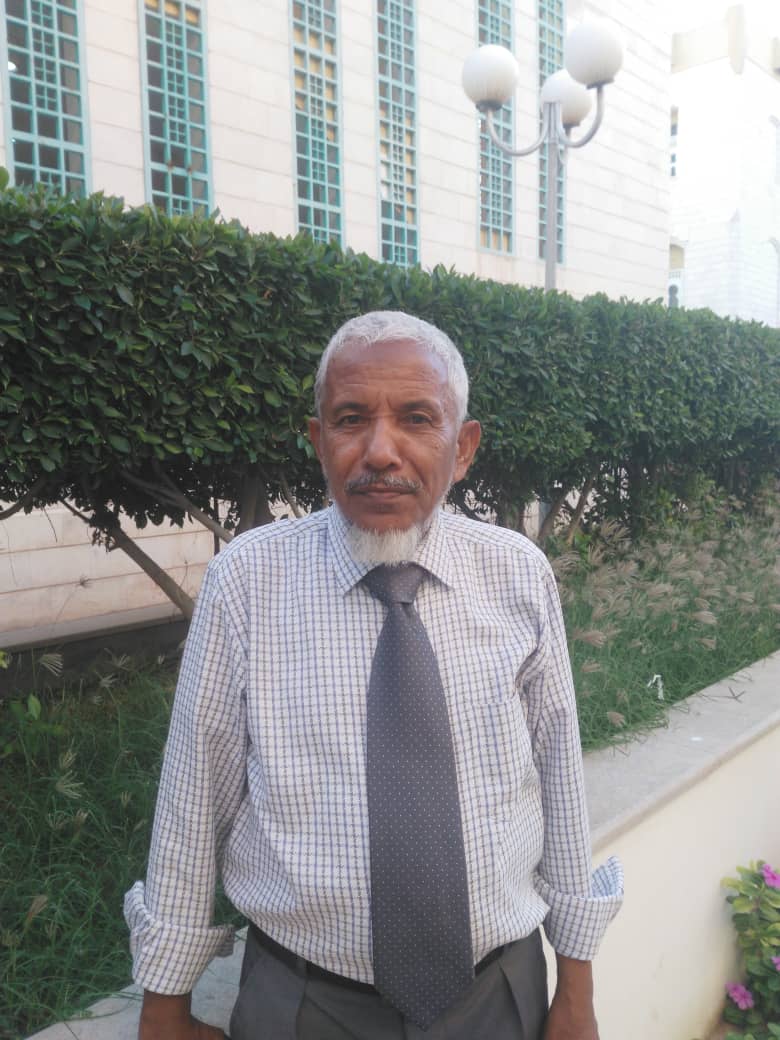
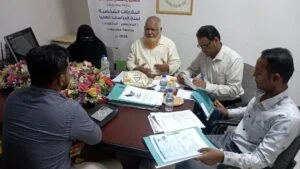
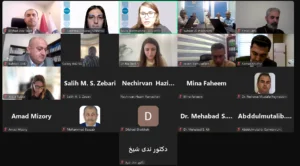
Yesterday, the Academic Centre for Scientific Conferences and Publishing in the Malaysian capital Kuala Lumpur concluded the work of the first International Scientific Conference of Manuscripts and its role in preserving heritage and identity and extrapolating the future, with the participation of researchers from a number of universities from Malaysia and beyond. Professor Ahmed Zin Bahamid, Director-General of the Department of Public Information of the University of Hadramaut, and member of the teaching staff of the Department of Information and Journalism of the University’s Faculty of Arts, participated in scientific research entitled: The Qatari press in Hadhramaut has been polite and renaissance has been successful. The scholar spoke of the role of Qalami journalism in Hadramaut in the 1930s and 1940s. The cake, the ring, the brotherhood, the torrent, the politeness, the renaissance. They represented two enlightenment beacons of intellectual radiation. They were prominent pearls in a contract marked by the shiny names of many car newspapers, some of which were issued in Hadramaut, and others in their émigrés. The scholar noted the pride of civilization in their identity and cultural and civilizational personality, and continued to describe himself and his people as a nation and a people. In tracking the numbers of the two newspapers, the researcher observed a diversity of words, with a constant indication of identity and belonging and a lack of closure or transcendence, but rather a distinction and a mark that confirms the pride of a country, a nation and a home with its history and roots. The audience interacted with the research, through a number of interventions and questions. It should be noted that the Academic Centre for Scientific Conferences and Dissemination provides scientists and researchers from around the world with its annual conference programme in collaboration with a number of ancient universities from both inside and outside Malaysia. It includes several features, including the dissemination of research and the provision of free and paid workshops and training programmes that take place in conjunction with the Conference. These conferences are advanced steps that emulate the latest global systems of scientific meetings in terms of the standards and benefits that the Centre’s scientific programmes generate.
Related Articles ...
Comments are disabled